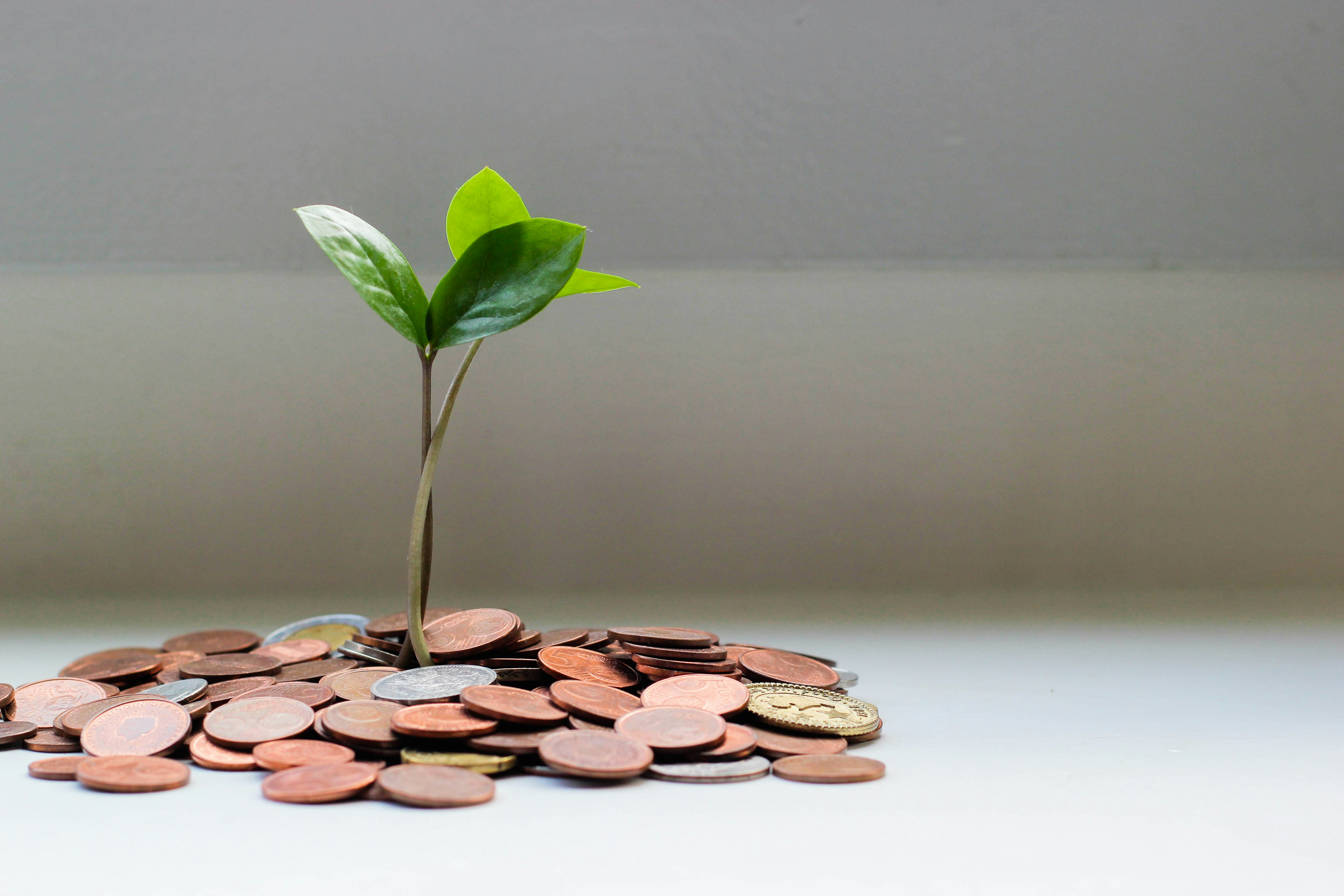
Financial stability starts with a single step: the emergency fund. For many, the idea of saving $1,000 in just one month seems impossible. However, with a focused 30-day plan, it is entirely achievable. An emergency fund is your financial safety net, designed to catch you when life throws a curveball—be it a flat tire, a broken appliance, or an unexpected medical bill. Without this cushion, these minor setbacks often turn into major debt traps.
Phase 1: The Audit (Days 1-5)
The first five days are about awareness. You cannot save what you don't track. Start by listing every single expense from the last 30 days. Categorize them into 'Needs' and 'Wants'. To hit the $1,000 goal, you must be ruthless. Cancel every subscription you haven't used in the last week. Stop dining out entirely for the next 30 days. This audit alone often uncovers $200-$400 in potential savings.
Phase 2: The Sell-Off (Days 6-15)
Look around your home. Most households have at least $500 worth of unused items sitting in closets, garages, or drawers. Old smartphones, designer handbags, power tools, and furniture are high-demand items on Facebook Marketplace and Craigslist. Dedicate your second week to listing at least three items a day. The goal is to generate $300-$500 from things you no longer need.
Phase 3: The Hustle (Days 16-25)
If your audit and sell-off haven't gotten you to the finish line, it's time to increase your income temporarily. The gig economy offers immediate opportunities. Driving for a rideshare service, delivering groceries, or taking on freelance tasks on platforms like Upwork can provide the final $200-$400 boost. Even a few hours an evening can make a massive difference in your 30-day total.
Phase 4: The Lockdown (Days 26-30)
In the final stretch, implement a 'No-Spend Week'. Aside from absolute essentials like rent and basic groceries, do not spend a single cent. Use up the food in your pantry, find free entertainment, and stay focused on the $1,000 milestone. By day 30, transfer your accumulated cash into a dedicated high-yield savings account.
Why $1,000 Matters
Psychologically, reaching $1,000 changes your relationship with money. It moves you from a defensive posture—constantly worried about the next bill—to an offensive one. You are now a person with capital. This fund is not for spending; it is for peace of mind. It allows you to breathe when things go wrong, knowing that you have the resources to handle it without resorting to high-interest credit cards.
Maintaining the Momentum
Once you've built your $1,000 fund, don't stop there. This is just the beginning of your financial journey. Use the same discipline you developed over the last 30 days to start attacking your debt or building a larger 3-6 month reserve. The habits you've formed—tracking spending, finding extra income, and prioritizing savings—are the foundations of long-term wealth.