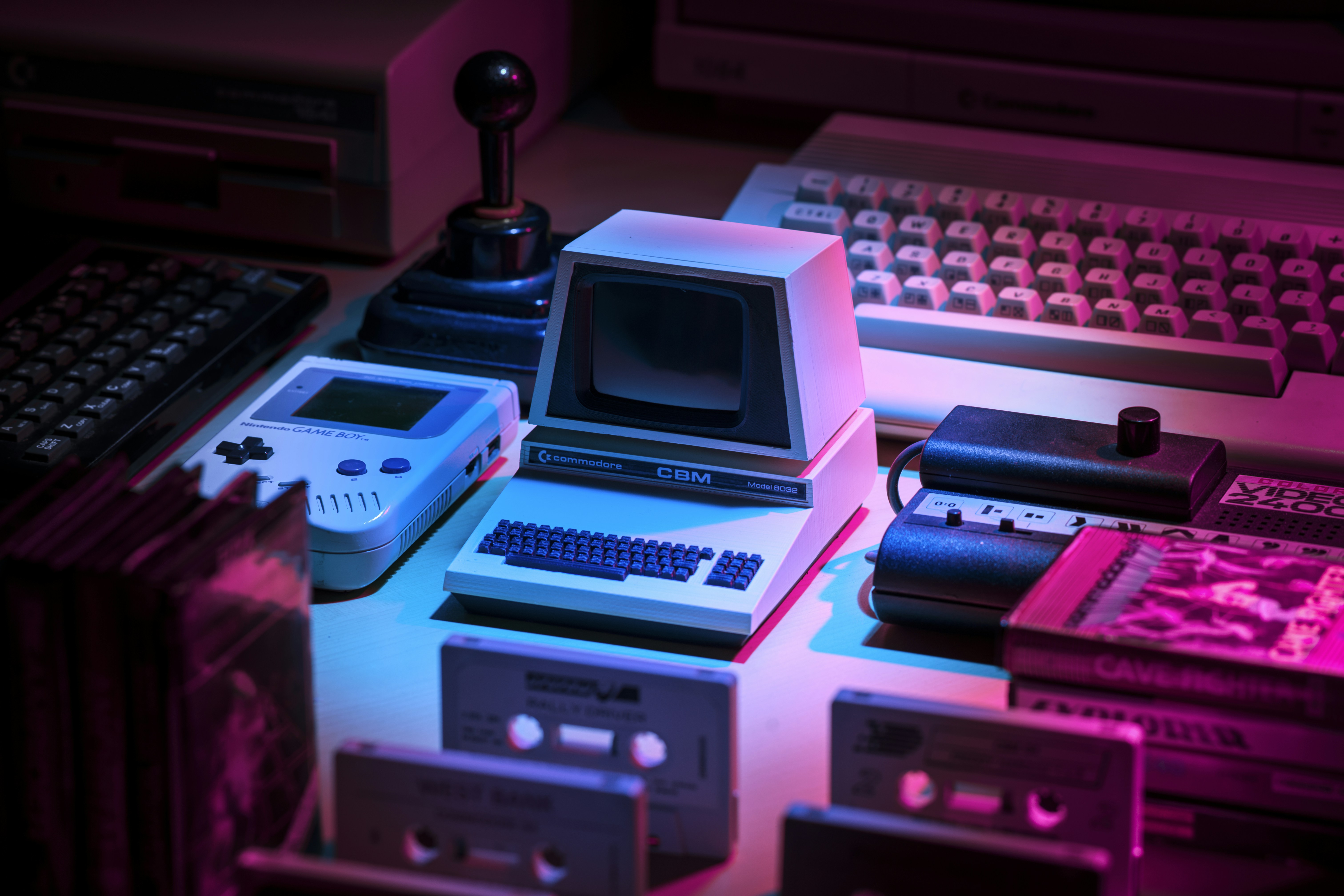
In an era of hyper-realistic 8K graphics, immersive virtual reality, and complex live-service games, a surprising trend has taken over the gaming world in 2026: the massive resurgence of Retro Gaming. From the iconic 8-bit pixels of the NES to the early 3D worlds of the PlayStation 1, classic games are finding a new life among both veteran gamers and a younger generation that never experienced the original hardware. But why is this happening now, and what does it say about the state of modern gaming?
1. The Power of Nostalgia: A Return to Simpler Times
Nostalgia is a powerful force, and in 2026, it's driving the retro gaming market to new heights. For many Gen X and Millennial gamers, revisiting the games of their childhood provides a sense of comfort and familiarity in a rapidly changing world. However, the trend isn't just limited to older players. Gen Z and Gen Alpha are also discovering the charm of retro games, drawn to the "aesthetic" of pixel art and the straightforward, pick-up-and-play nature of classic titles that contrast with the often overwhelming complexity of modern "triple-A" games.
2. The Appeal of Physical Media in a Digital World
As modern gaming has moved almost entirely to digital downloads and subscription services, there is a growing counter-movement that values Physical Media. In 2026, owning a physical cartridge or disc is seen as a statement of ownership and preservation. Retro gamers enjoy the tactile experience of inserting a cartridge, the artwork on the box, and the knowledge that their game can't be "delisted" or taken away by a digital storefront closing. This has led to a booming market for original hardware and high-quality physical re-releases from companies like Limited Run Games.
3. The Rise of High-End Retro Handhelds
Technological advancements have made it easier than ever to play classic games on the go. In 2026, the market for Retro Handhelds is more vibrant than ever. Devices from companies like Anbernic, Retroid, and Analogue offer stunning screens, ergonomic designs, and the power to emulate everything from the Atari 2600 to the Nintendo GameCube perfectly. The Analogue Pocket, in particular, has become a cult icon, using FPGA technology to play original Game Boy cartridges with 100% accuracy, bridging the gap between original hardware and modern convenience.
4. Simplicity vs. Modern Complexity
Modern games often feel like a second job, with endless daily quests, battle passes, and complex mechanics designed to keep you playing (and spending) forever. Retro games, by contrast, offer a focused, self-contained experience. You turn it on, you play, and you're done. This "purity" of game design is highly attractive in 2026, where many gamers are feeling "live-service fatigue." The simple joy of mastering a difficult level in Super Mario Bros. or Sonic the Hedgehog provides a level of instant gratification that modern games often bury under layers of progression systems.
5. The Retro Aesthetic in Modern Design
The influence of retro gaming extends far beyond original titles. In 2026, the "Retro Aesthetic" is a dominant force in modern indie game development. "Neo-Retro" games like Sea of Stars and Hollow Knight use modern technology to enhance classic pixel art styles, creating experiences that feel both nostalgic and fresh. This has created a virtuous cycle where modern indie hits drive players back to the original classics that inspired them, and vice versa, keeping the retro spirit alive and well in the contemporary gaming landscape.
6. Collecting as an Investment and Hobby
Retro gaming has also become a serious hobby for collectors and investors. In 2026, rare, high-grade copies of classic games are selling for record-breaking prices at auction. While this has made some titles prohibitively expensive for the average player, it has also brought a new level of prestige and mainstream attention to the hobby. Specialized grading services like WATA and VGA have turned game collecting into a market similar to comic books or fine art, further fueling the "comeback" of these vintage digital treasures.
7. Community and the "Homebrew" Scene
The retro gaming community is more active and connected than ever. Online forums, Discord servers, and YouTube channels dedicated to retro tech restoration and speedrunning have created a global network of enthusiasts. Even more impressive is the Homebrew Scene, where dedicated developers are still creating brand new games for consoles that were discontinued decades ago. In 2026, it's not uncommon to see a new, high-quality release for the NES or Sega Genesis, proving that these systems are still viable platforms for creativity.
Conclusion: The Timeless Appeal of the Pixel
The retro gaming comeback of 2026 is not just a passing fad; it's a reflection of our enduring connection to the history of digital entertainment. Whether it's the pull of nostalgia, the desire for physical ownership, or the simple joy of classic game design, retro gaming offers something that modern titles often miss. As we look to the future of gaming, it's clear that the past will always have a place on our screens. The pixels may be old, but the fun they provide is truly timeless.