In 2026, the "Smart Home" is no longer a collection of disconnected gadgets; it's a cohesive, intelligent ecosystem that works in the background to enhance your life. The adoption of the Matter standard has finally solved the interoperability issues of the past, allowing devices from Apple, Google, Amazon, and Samsung to talk to each other seamlessly. This year, the focus has shifted from "control" to "intelligence," with AI-driven systems that anticipate your needs before you even have to ask.
1. The Rise of the AI Home Orchestrator
The central brain of the 2026 smart home is the AI Home Orchestrator. Unlike the simple voice assistants of the past, these systems use advanced Large Language Models (LLMs) to understand context and intent. They don't just turn on the lights; they adjust the entire environment based on your mood, the time of day, and even your health data from your wearable devices. Whether it's preparing your coffee exactly when you wake up or optimizing your home's energy usage based on real-time utility rates, the orchestrator is the key to a truly intelligent home.
2. Matter-Compatible Everything
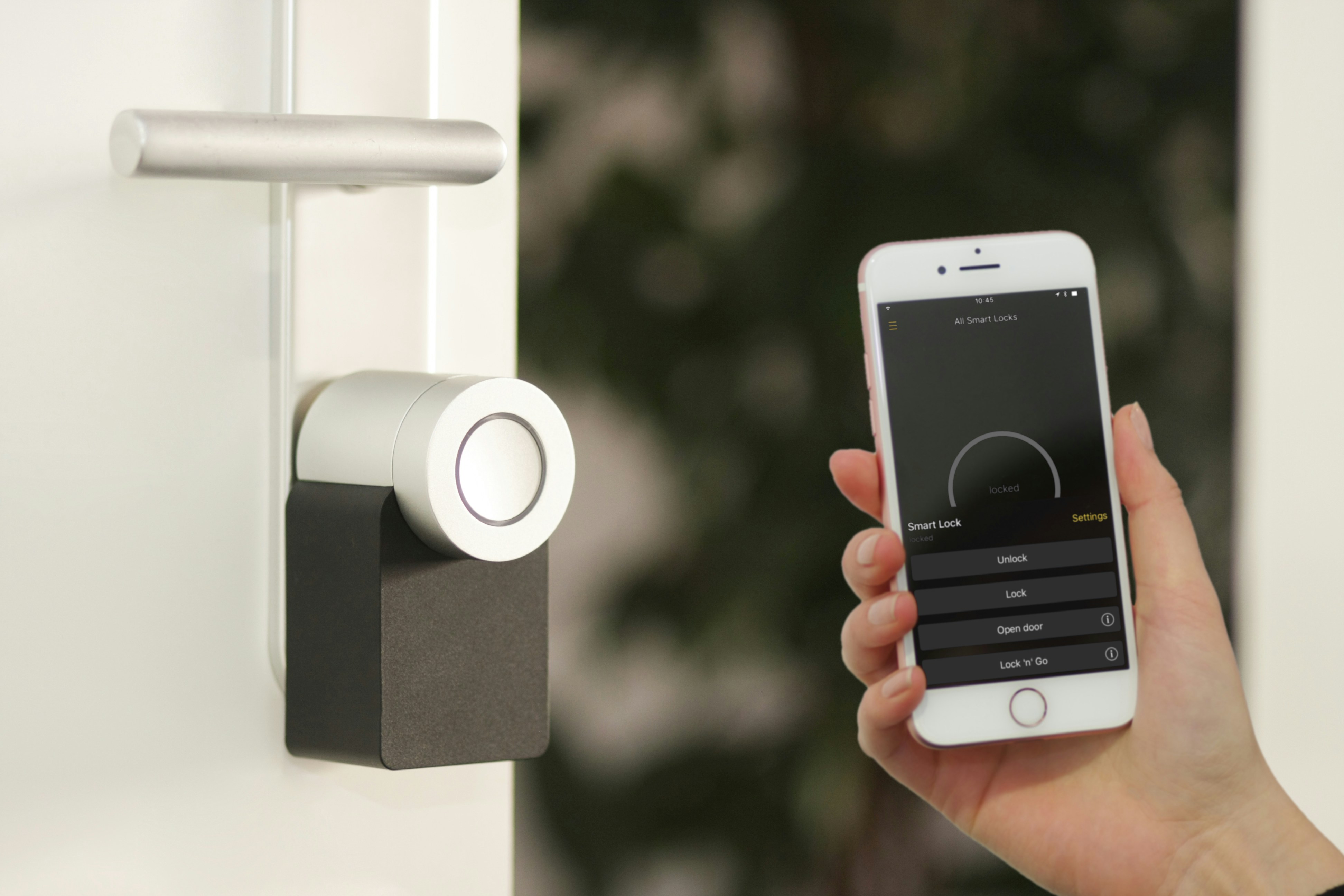
If you're buying a smart home gadget in 2026, it must be Matter-compatible. This universal standard ensures that your new smart lock will work with your existing Google Home setup, your Amazon Alexa speakers, and your Apple HomePod. This has led to a massive surge in high-quality, specialized devices from smaller manufacturers who no longer have to worry about building separate versions for every platform. From smart blinds and air purifiers to garden irrigation systems, the Matter logo is the gold standard for connectivity.
3. AI-Powered Home Security: Proactive Protection
Home security in 2026 has moved beyond simple motion alerts. Modern systems use Edge AI to distinguish between a delivery person, a neighbor's cat, and a potential intruder with near-perfect accuracy. Cameras like the Nest Cam Pro (2026) and Arlo Ultra 3 now feature "Behavioral Analysis," which can detect suspicious activity—like someone lingering near your windows—and take proactive measures, such as turning on floodlights or playing a warning message, before a break-in even occurs.
4. Energy-Saving Tech: The Sustainable Home
With energy costs rising and a global focus on sustainability, smart home tech is playing a crucial role in reducing our carbon footprint. Smart Electrical Panels and Energy Monitoring Systems are now standard in new builds. These systems can automatically shift heavy appliance usage (like your dishwasher or EV charger) to off-peak hours when electricity is cheaper and greener. When combined with a smart thermostat like the Ecobee Premium v2, homeowners are seeing energy bill reductions of up to 30%.
5. The Smart Kitchen: AI-Assisted Cooking
The kitchen has seen some of the most exciting innovations in 2026. AI-Integrated Refrigerators can now track your inventory via internal cameras and automatically add items to your grocery list when you're running low. Even more impressive are Smart Ovens that can identify the food you've placed inside and set the perfect cooking time and temperature automatically. Brands like Samsung and LG have also introduced "Recipe Orchestration," where your fridge, oven, and prep-bot work together to guide you through complex meals.
6. Smart Health and Wellness: The Home as a Clinic
In 2026, the smart home is also a health hub. Smart Toilets can perform daily urinalysis to track hydration and detect early signs of illness. Smart Mirrors use computer vision to analyze your skin health and guide you through workout routines with real-time form correction. Even your bed has become smart, with systems like the Eight Sleep Pod 4 that adjust their temperature throughout the night based on your sleep stages to ensure you get the most restorative rest possible.
7. Privacy-First Automation: Local Processing
As smart homes have become more pervasive, privacy has become a top priority. The best gadgets of 2026 now feature Local AI Processing. This means that your voice commands and security footage are processed right on the device or a local hub, rather than being sent to the cloud. This significantly reduces the risk of data breaches and ensures that your home remains your private sanctuary. Look for the "Local-First" badge when shopping for new devices to ensure your data stays where it belongs.
Conclusion: Building Your Future Home Today
The smart home gadgets of 2026 are more than just toys; they are essential tools for a more efficient, secure, and healthy life. By focusing on interoperability through Matter, intelligence through AI, and sustainability through energy monitoring, you can create a living space that truly serves you. Whether you're just starting with a few smart bulbs or building a fully automated mansion, the goal is the same: a home that is as smart as the people who live in it.